
Polyurethane foam dressing
Polyurethane Foam Dressing | “Say Goodbye to Traditional Gauze! This ‘Breathable’ Foam Dressing Redefines Your Wound Care Experience”
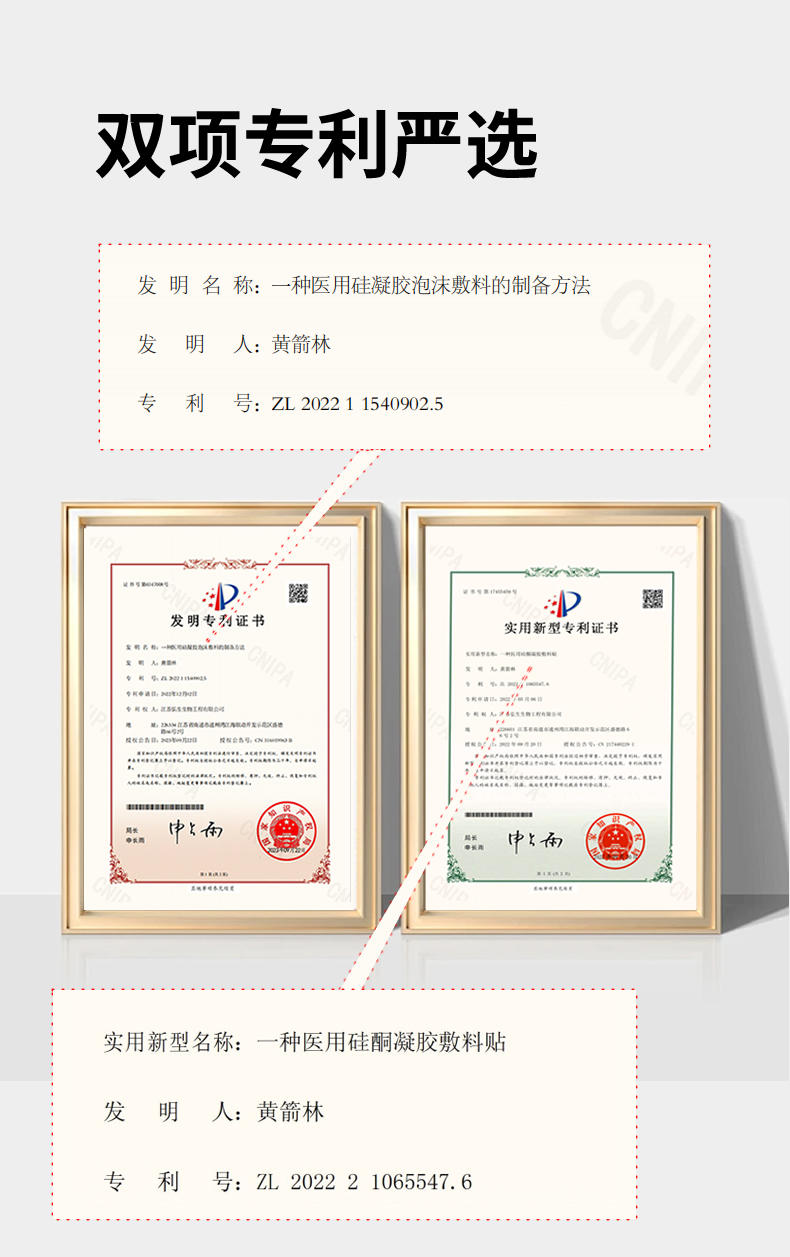
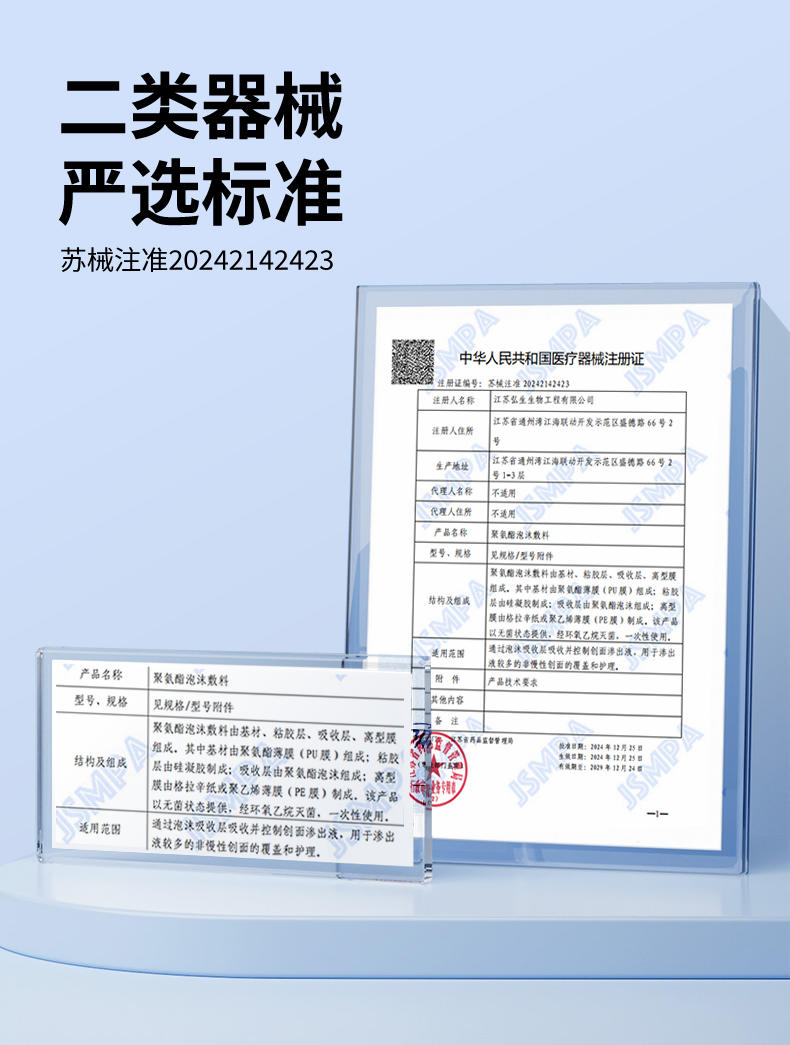
Class II Device | Polyurethane Foam Dressing for Pressure Ulcer Wound Protection, Medical Sterilization, Backed by Two Patents
“Do you still remember how, as a child, whenever we scraped our knees, Mom would always wrap them up in thick gauze? That feeling—when the gauze was torn off, the pain that pulled at both skin and flesh; the stuffy, damp discomfort of the wound; and the anxious wait as it seemed to heal so slowly… Have you ever wondered whether there might be a more advanced, more humane way to treat wounds?”
Today, we would like to introduce a cutting-edge wound-care product that is revolutionizing traditional gauze— Polyurethane foam dressing “It embodies the ‘moist wound healing’ concept, which is quietly transforming the recovery experience of countless patients.”
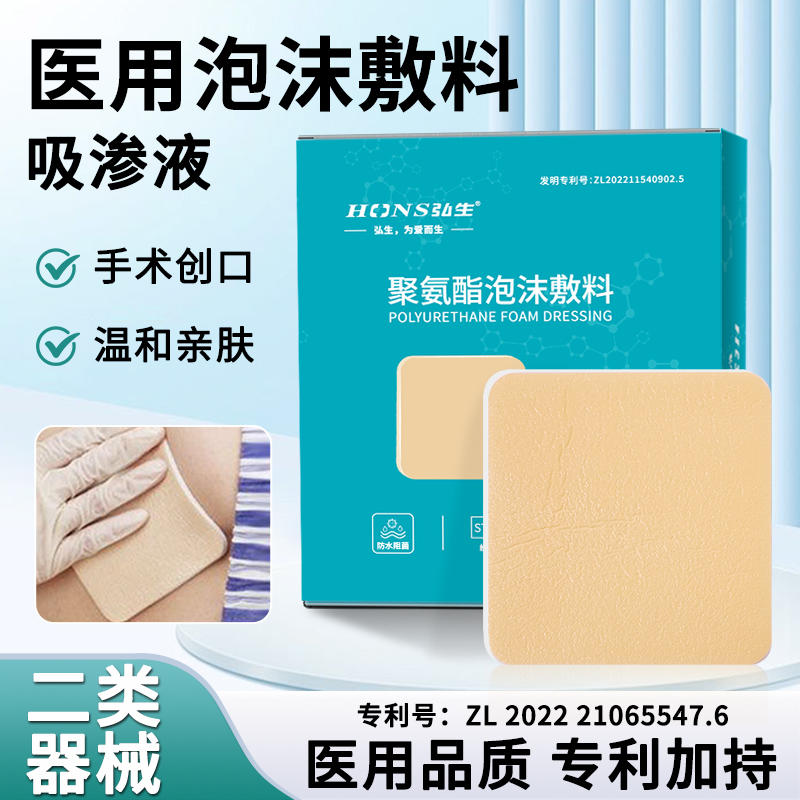
- What is a polyurethane foam dressing?
Polyurethane foam dressings are single-use medical devices composed of materials such as polyurethane, silicone, and porous polyurethane film. They exhibit softness, elasticity, and hygroscopic properties, allowing them to conform closely to the wound surface and create a sealed, moist, yet breathable environment that promotes wound healing.
The key technical performance indicators of this product primarily include humidity control, breathability, exudate absorption and permeation, protection of the wound from microbial contamination, prevention of necrosis, mechanical protection, adhesion, wettability, stiffness, strength, biocompatibility, biodegradability, non-toxicity, wound pain relief, and cost-effectiveness.
2. Core Concept – What is “Moist Wound Healing”?

· Common misconception: In the past, we believed that wounds should be “kept dry and allowed to form a scab” to promote healing. However, a dry environment can cause the newly formed, delicate granulation tissue to repeatedly tear, slowing down the healing process and increasing the likelihood of scarring.
· Modern concept: Scientific research has shown that, under a moist, airtight, and optimally conducive environment, cells exhibit their highest growth capacity and migration rate, which can significantly accelerate wound healing, alleviate pain, and reduce the risk of infection.
· In a nutshell: “moist wound healing” is faster, less painful, and less likely to leave scars than “dry wound healing.”
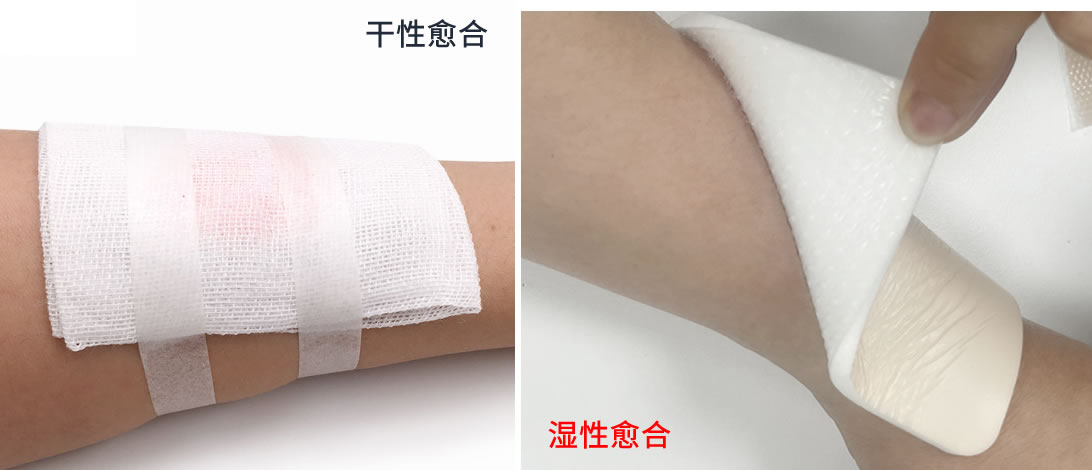
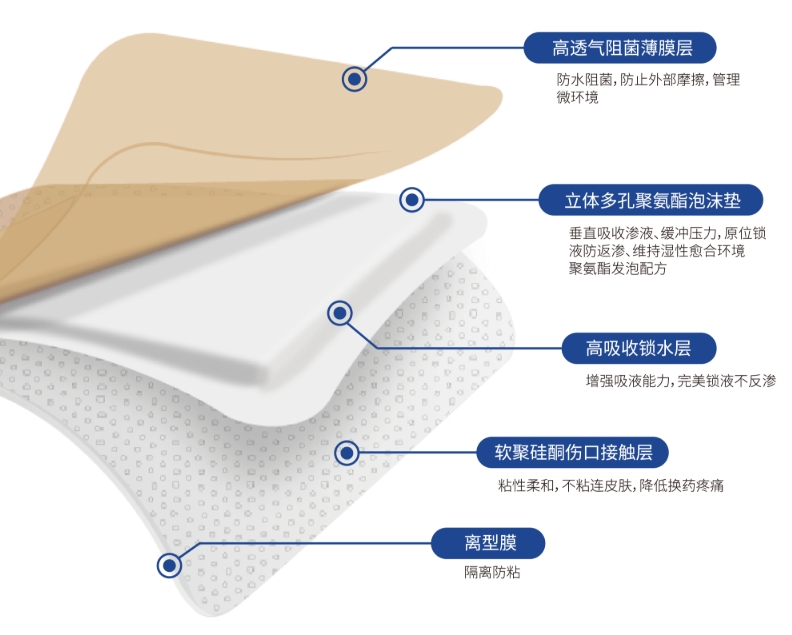
3. The Protagonist Makes Its Debut – Polyurethane Foam Dressings: How Have They Become the Paradigm of “Moist Wound Healing”?
① Skin-friendly layer (the layer in contact with the wound):
· Features: soft and non-adhesive. Like a gentle, fluffy cloud, it lightly covers the wound without tearing or damaging newly formed tissue.
· Benefits: Dressing changes are painless.
② Core absorption layer (foam body):
· Function: A powerful “sponge.” Made of polyurethane foam, it features countless micro-pores that enable rapid, large-volume absorption of wound exudate.
· Benefits: Keeps the wound moist but not macerated, thereby preventing maceration.
③ Waterproof and breathable outer layer (the outermost layer):
· Function: “Smart Breathable Membrane.” It prevents external bacteria and liquids from penetrating while allowing water vapor to pass through, enabling the skin to “breathe.”
·Benefits: Waterproof and antibacterial, while preventing stuffiness and dampness to enhance comfort.
Summary of its core advantages:
① Superior Absorption: Hongsheng polyurethane foam dressings utilize advanced technology to absorb 12–20 times their own weight in exudate, with no backflow under pressure, effectively sealing in large volumes of fluid to keep the wound surface clean.
② Secure adhesion: The special silicone layer does not adhere to moist wounds, minimizing trauma and pain; once the foam pad expands, it conforms tightly, reducing the risk of infection, providing secure fixation, and ensuring ease of use.
③ Vertical pressure distribution: Utilizes vertical foaming technology to produce a soft, dimensionally stable foam that effectively reduces pressure and provides protective cushioning, thereby safeguarding the surrounding skin.
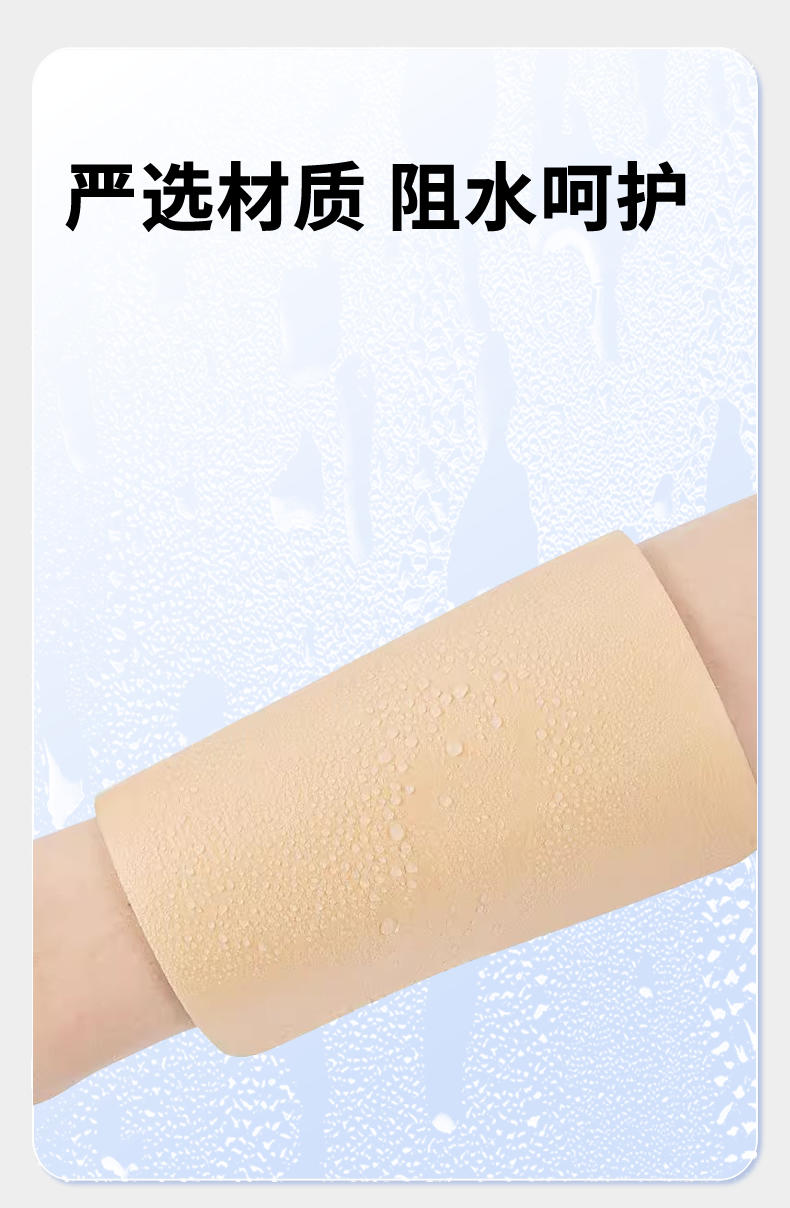
④ Comfortable adhesion: The silicone contact layer ensures that the dressing is comfortable, breathable, and waterproof, while minimizing edge rolling and reducing the risk of skin irritation, allowing patients to shower and thereby improving their quality of life.
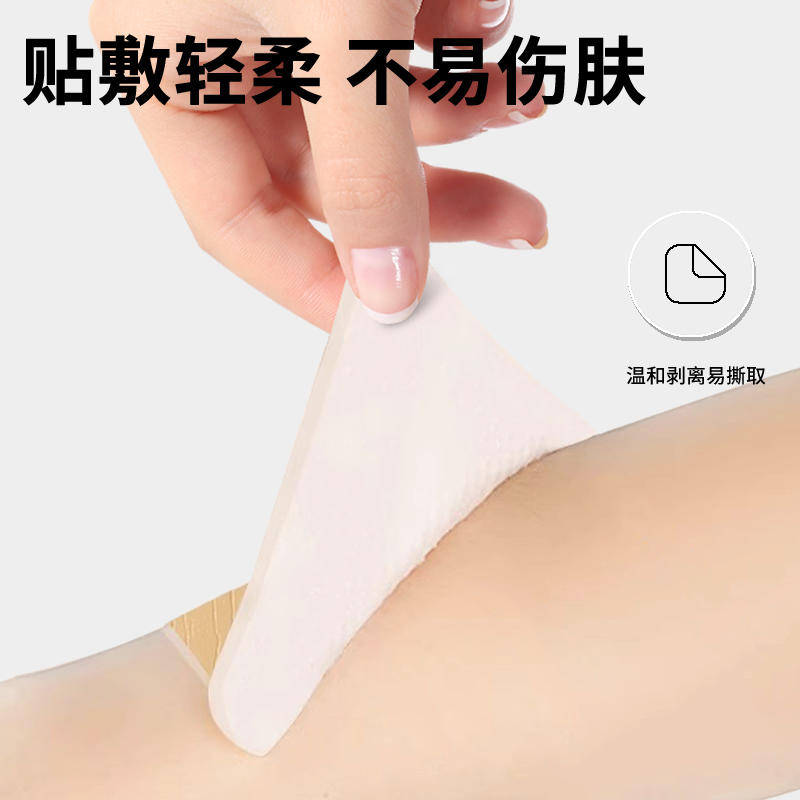
⑤ Painless debridement: A proprietary silicone technology ensures minimal pain during dressing changes, provides physical protection, and prevents adhesion to the wound surface.
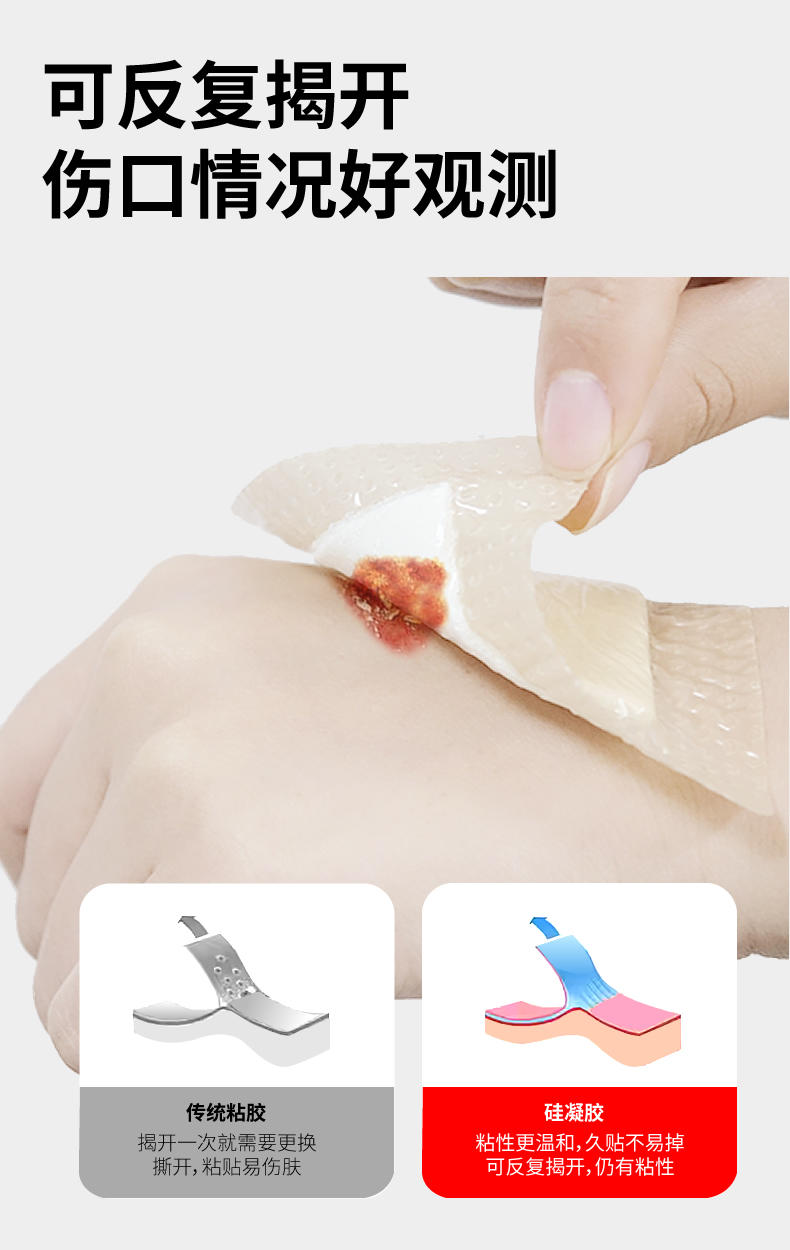
⑥ Repeated adhesion: The silicone layer can be repeatedly applied under dry conditions, facilitating observation of the skin or wound condition.
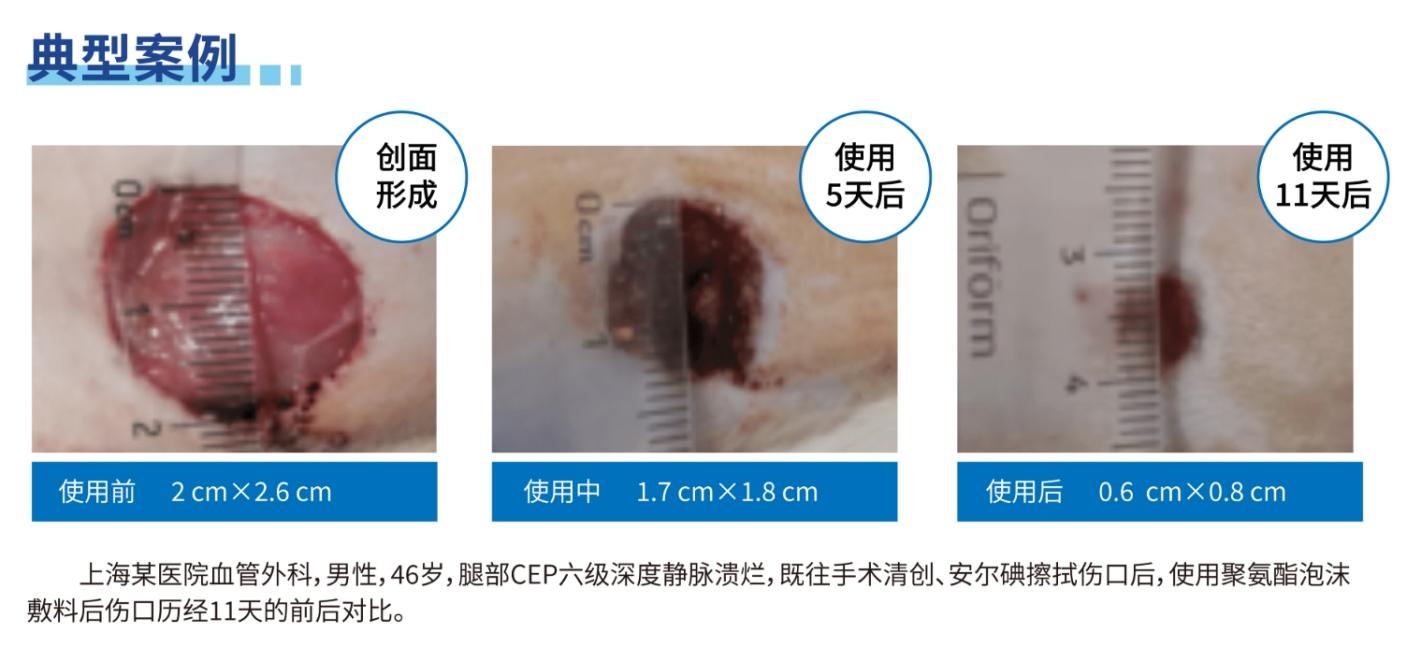
⑦ Promotes healing: Creates an optimal moist environment to accelerate repair.
4. Suitable Population – Who Needs It Most?
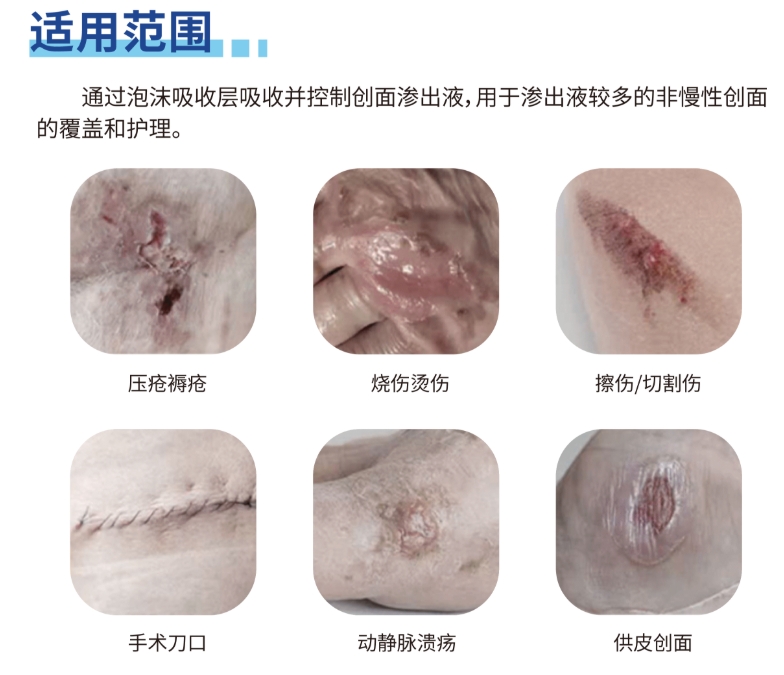
· Postoperative patients: Used to absorb exudate from the surgical incision, protect the wound, and facilitate observation.
· Patients with chronic wounds:
· Pressure ulcers (bedsores): a boon for long-term bedridden patients, with effective management of exudate.
· Diabetic foot: Provides a gentle care environment for this type of complex wound.
· Venous ulcers: help control exudate and promote healing.
· Patients with burns and scalds: for the management of the exudative phase of second-degree burns and scalds.
· Everyday wounds: This also applies to abrasions and lacerations with copious exudate.
5. Instructions for Use:
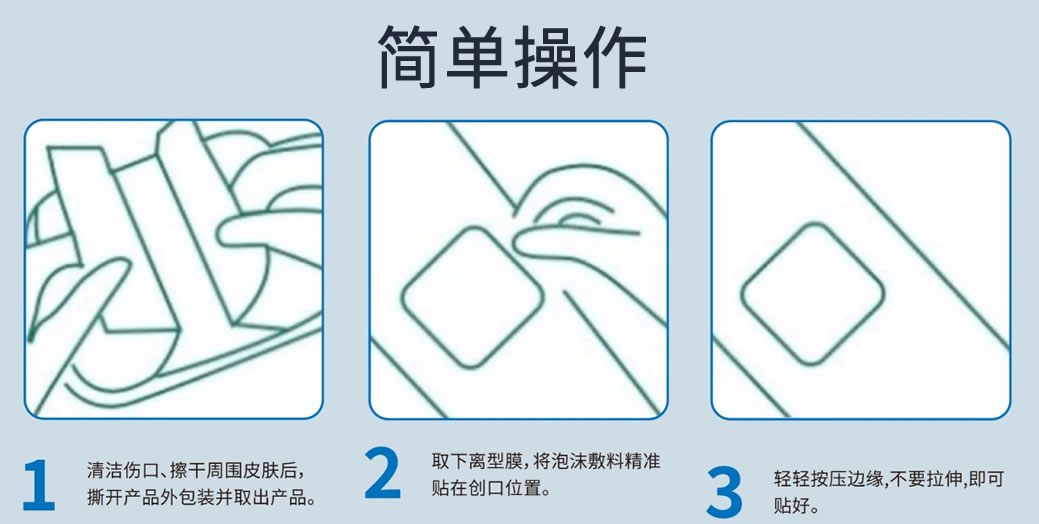
① Clean the wound: Irrigate the wound and the surrounding skin with normal saline.
② Dry the surrounding skin: Ensure the application site is dry.
③ Choose the appropriate size: The dressing should fully cover the wound and extend 2–3 centimeters beyond the wound edges.
④ Application and Securing: Peel off the backing, apply the dressing evenly over the wound, and gently press down on the edges.
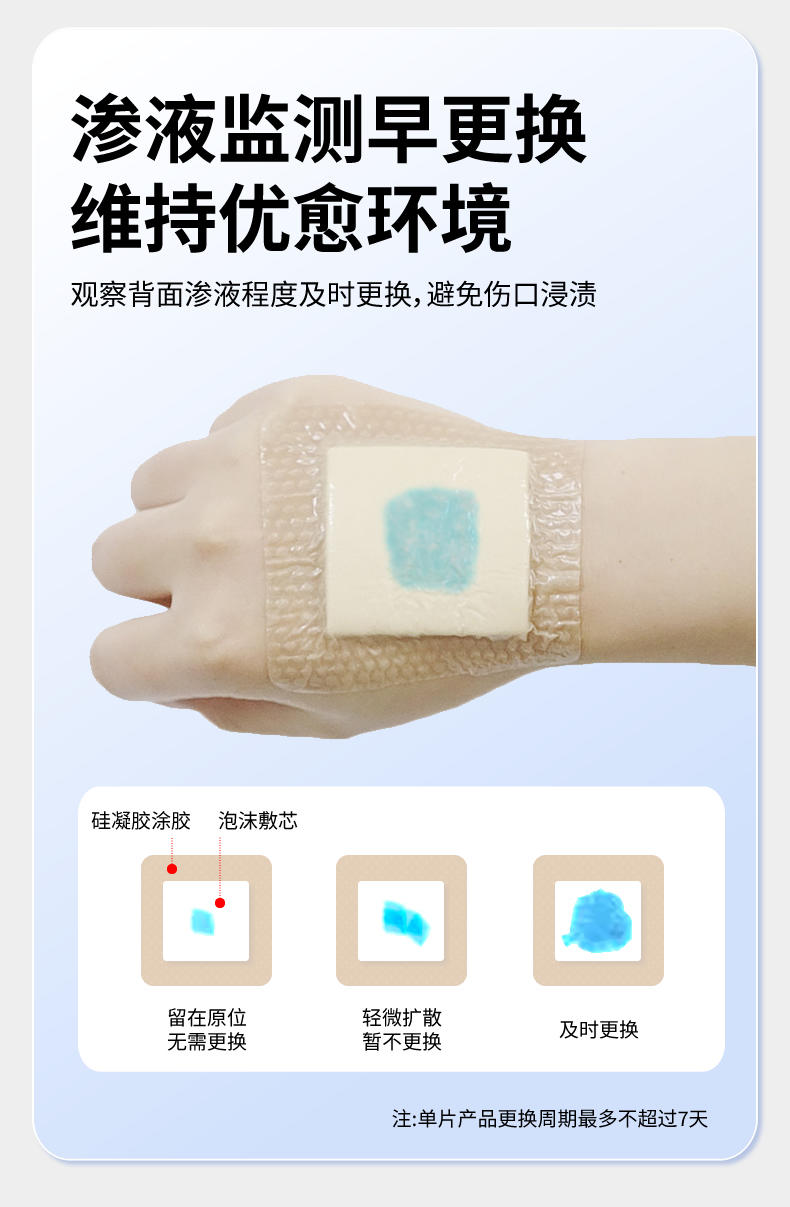
⑤ Timing for replacement: The dressing should be changed when exudate saturation is approaching (indicated by bubbling or visible discoloration of the exudate), typically lasting 1–7 days, depending on the amount of exudate.
6. Precautions:
① Emphasizes that it is not suitable for deep cavity wounds or dry necrotic wounds, and recommends use only under the guidance of a physician.
② If, after using this product, you experience burning, redness, swelling, or other adverse reactions, discontinue use immediately and consult a physician.
③ Foam dressings should be changed promptly once they become saturated with exudate (when the exudate approaches the edges of the foam dressing).
④This product is sterile; avoid direct hand contact with the foam dressing during use.
⑤This product is sterile-packed; do not use if the packaging is damaged.
⑥This product is a single-use medical device and must not be reused.
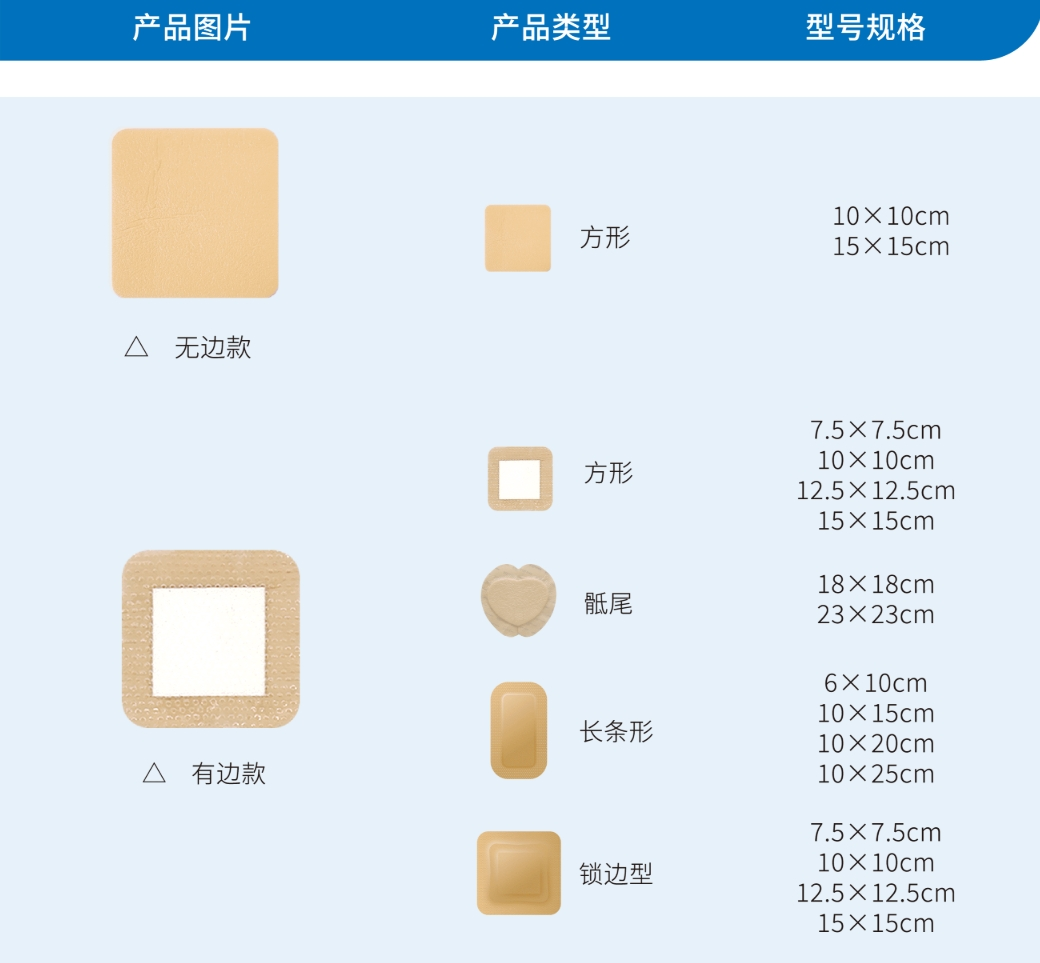
7. Product specifications and model:
For treating pressure ulcers, there’s an excellent remedy: Hongsheng foam absorbs exudate powerfully!
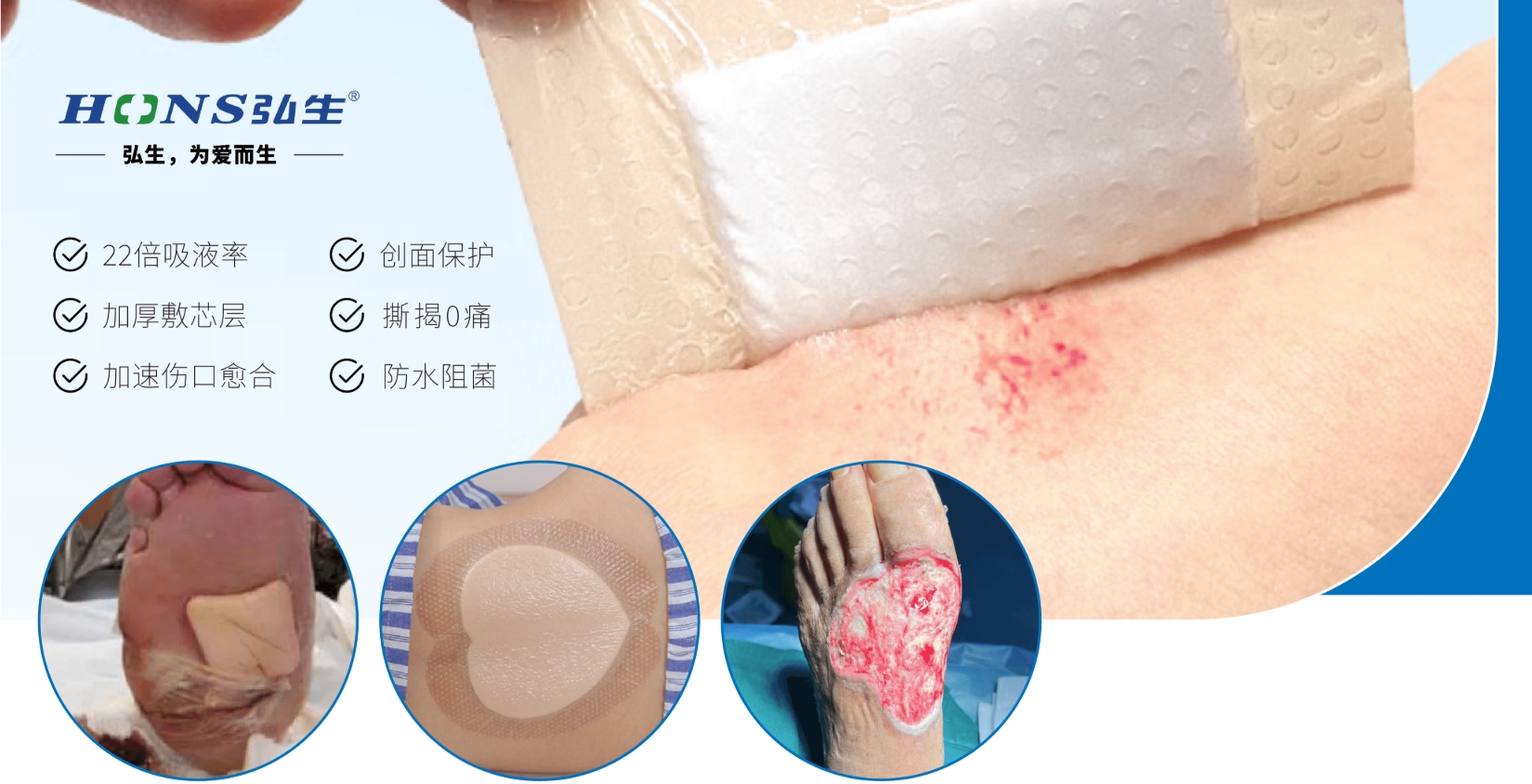
Made by Hongsheng—use with peace of mind.
“From ‘dry healing’ to ‘moist healing,’ polyurethane foam dressings represent not just an upgrade in product performance, but also a significant advancement in medical philosophy and compassionate patient care. They make wound care more evidence-based, more comfortable, and more dignified.”
If you or a family member is struggling with wound care, consider consulting your physician or pharmacist to determine whether polyurethane foam dressings are an appropriate option for you. Embrace modern technology to make your recovery journey less painful and more peaceful.
Key words:
Wound tension reduction | basic dressing | slow injury care | medical and aesthetic care | bandaging and fixation
Previous Page
Related recommend

Sweep, pay attention to us
Quick Navigation
Product Series
Contact Us
Address: Building 2, 66 Shengde Road, Tongzhou Bay River-Sea Linkage Development Demonstration Zone, Jiangsu Province


