
Medical Anti-Thrombosis Stockings | Wearing the Right Stockings = Reducing the Burden on Your Blood Vessels
Medical Anti-Thrombosis Stockings | Wearing the Right Socks = Reducing the Burden on Your Blood Vessels
Class II Medical Device | Medical Anti-Thrombotic Stockings, Graduated Compression, Relieves Varicose Veins, Prevents Deep Vein Thrombosis—One Pair, Multiple Benefits!
· “Have you ever experienced swollen, numb legs after a long flight?”
· “Sitting in the office all day and then noticing a swollen ring around your ankles when you stand up?”
· “After surgery, you’re lying in a hospital bed, and the doctor hands you a pair of strange socks and tells you to put them on?”
So, do these phenomena conceal underlying risks? Indeed they do—specifically, impaired venous blood return and the risk of deep vein thrombosis (DVT).
“Today, we’re going to talk about a simple yet effective ‘leg-protecting marvel’ that many people overlook—medical thrombosis-prevention stockings (also known as medical compression stockings).”
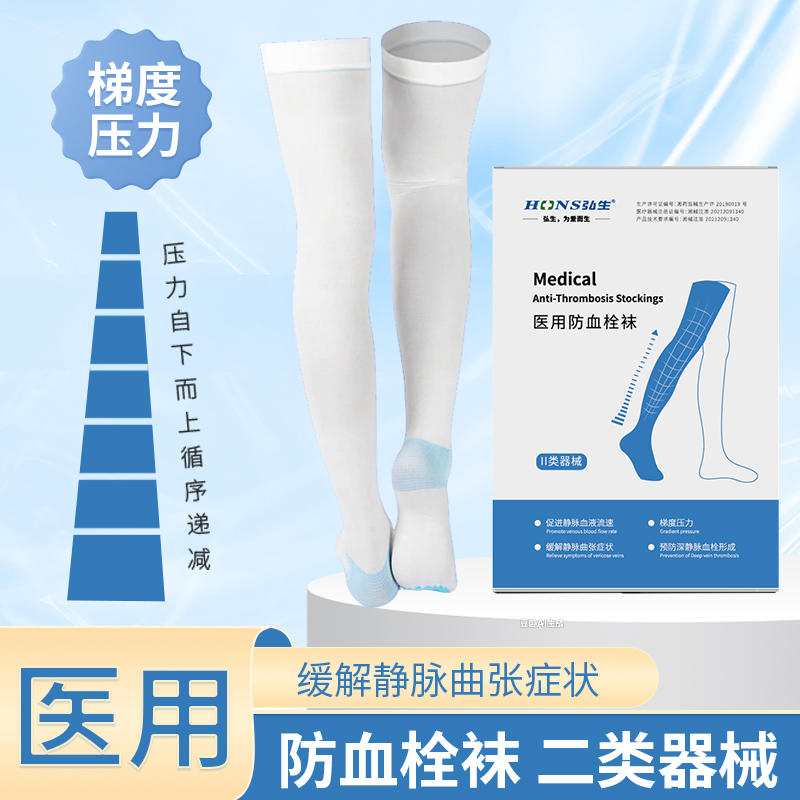
What is it?
Medical anti-thrombotic stockings are medical devices featuring a graduated compression design. Unlike ordinary compression stockings, their core innovation lies in applying maximum pressure at the ankle and progressively reducing pressure as it moves up the calf and thigh. This scientifically engineered pressure gradient acts like a “pump,” effectively promoting venous blood return from the lower extremities to the heart, thereby alleviating edema and preventing the formation of deep vein thrombosis.
The core principle: “gradient pressure” is key. You can think of it this way: “It’s like having a ‘massage therapist’ for your legs. The greatest pressure is at the ankle, where a pair of firm hands seem to grip the ankle and help propel the blood upward; as the pressure gradually decreases along the calf and into the thigh, it creates a smooth ‘conveyor belt’ that gently guides venous blood back to the heart.”
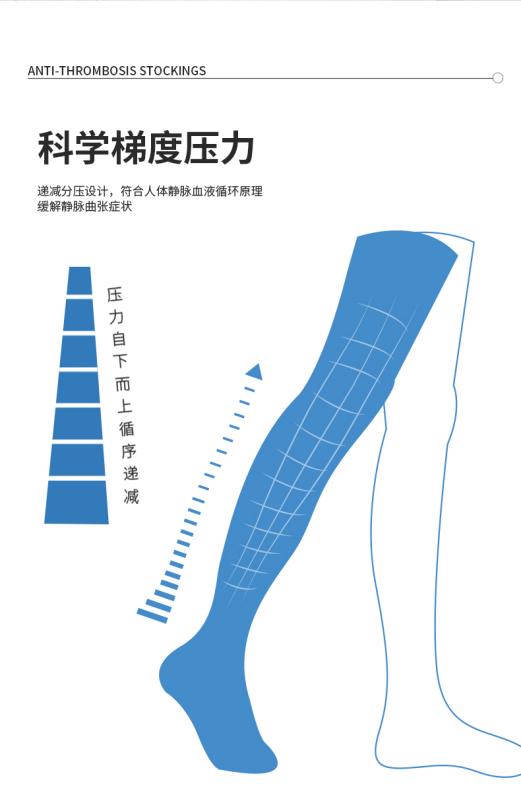
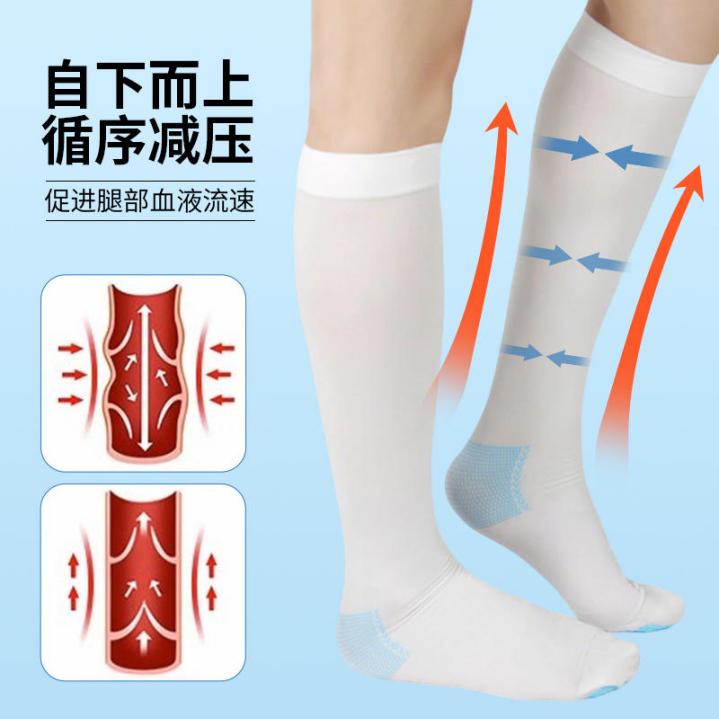
This “stepwise decompression” principle mimics the function of a healthy calf muscle pump, helping individuals who sit or lie down for extended periods or whose vascular function has declined to promote forced blood flow and prevent stasis that could lead to thrombosis.
What are its advantages?

Who needs it?
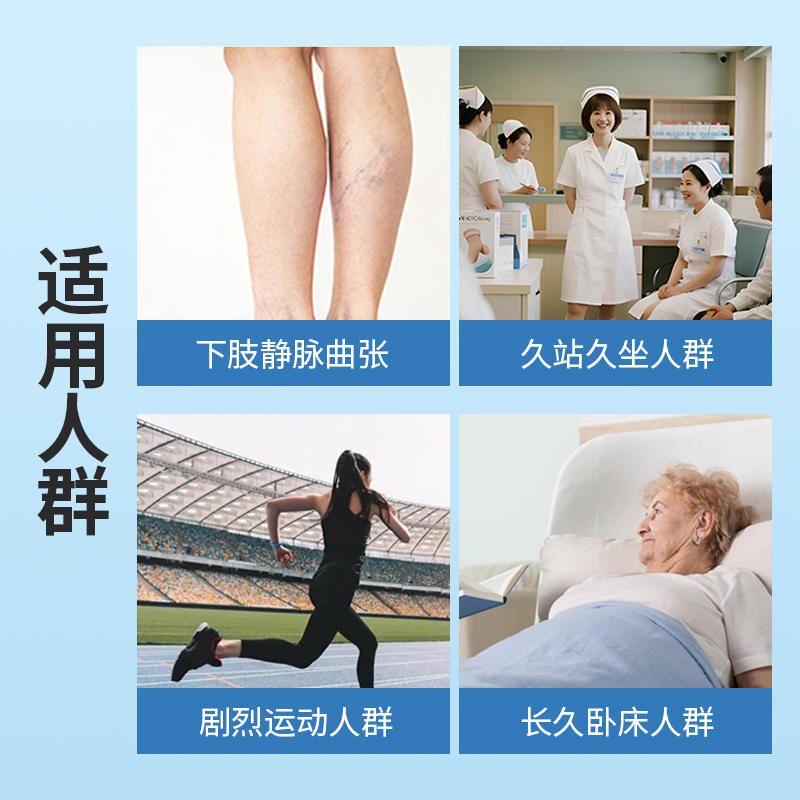
1. Individuals who sit or stand for long periods: Prolonged maintenance of a single posture prevents leg muscle activity, leading to blood stasis.
2. Long-distance travelers: the typical population at risk for “economy-class syndrome.” Passengers on airplanes, trains, and long-distance buses all need to be vigilant.
3. Surgical patients and bedridden patients: Particularly those who have undergone major surgeries such as orthopedic, gynecological, and laparoscopic procedures, experience restricted physical activity and are therefore at high risk for thrombosis.
4. Individuals with obesity, the elderly, and those with a family history of varicose veins.
5. Pregnant women and postpartum mothers: Uterine compression of blood vessels during pregnancy, along with hormonal changes, both increase the risk of thrombosis.
6. Individuals engaged in vigorous physical activity: high-risk sports, high-impact exercises, and activities that require prolonged standing and sustained exertion, among others.
How to choose and use?
1. Choose the right style:
· Health-prevention type (mid-calf style): Suitable for daily sedentary lifestyles, mild edema, and long-distance travel.
· Therapeutic (long-stocking type): Suitable for patients with obvious varicose veins or those undergoing postoperative recovery; must be selected under the guidance of a physician.
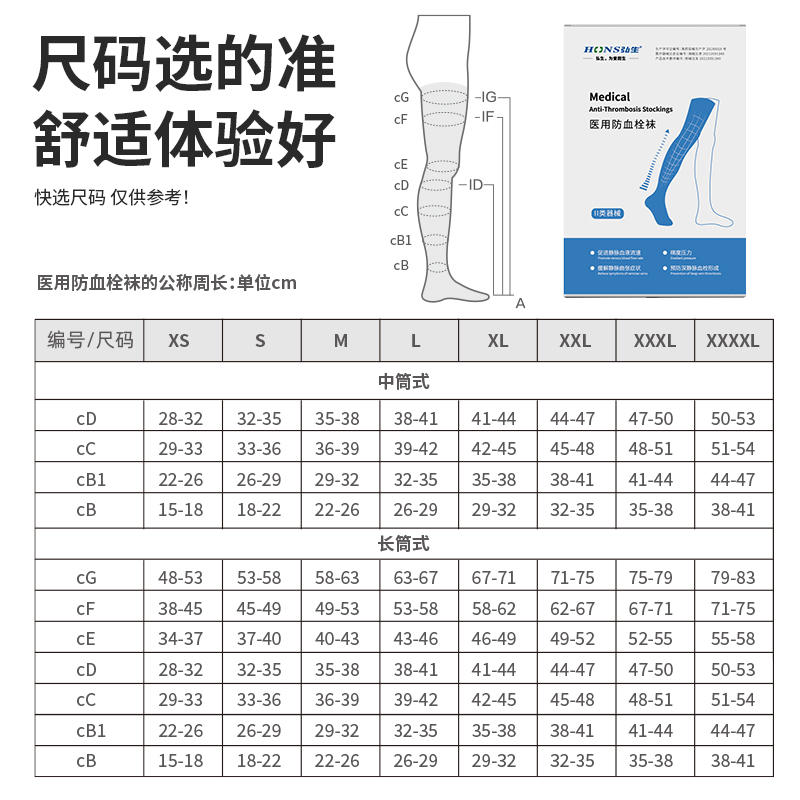
2. Measuring dimensions is key (of paramount importance!):
“Buying socks is like buying shoes—always measure your size!” Measure first thing in the morning, when your legs are at their slimmest.
3. Correct method of donning:
Mnemonic: “Align, Lift Slowly, Smooth Out.”
Steps: 1. Slip the foot cover on and align it with the heel.
2. Slowly roll upward, lifting the ankles, calves, and finally the thighs.
3. Smooth it out with your hands to ensure there are no wrinkles.
Reminder: The donning process may be a bit tricky, so please exercise caution if your nails are long. You can slip a plastic bag over your foot to improve lubrication.
4. Duration of Wear and Maintenance:
· It is recommended to wear it during the day and remove it at night while sleeping.
· Hand wash and air dry in the shade; avoid direct sunlight and tumble drying to maintain elasticity.
| Use Cases | Recommended wearing duration | Key Tips |
| Daily Health Care/Sedentary Lifestyle/Travel | Wear light clothing in the morning and dress warmly at night; wash daily. | No need to wear it when sleeping on your back. |
| Varicose Vein Treatment | Wear light in the morning and warm at night—stick to it every day. | Put it on before getting out of bed for best results. |
| Postoperative Rehabilitation | Follow your doctor's instructions strictly. | May require 24-hour wear; do not decide on your own. |
| Pregnancy edema | Dress warmly in the morning and lightly in the evening; take breaks as needed. | Choose the maternity-specific style. |
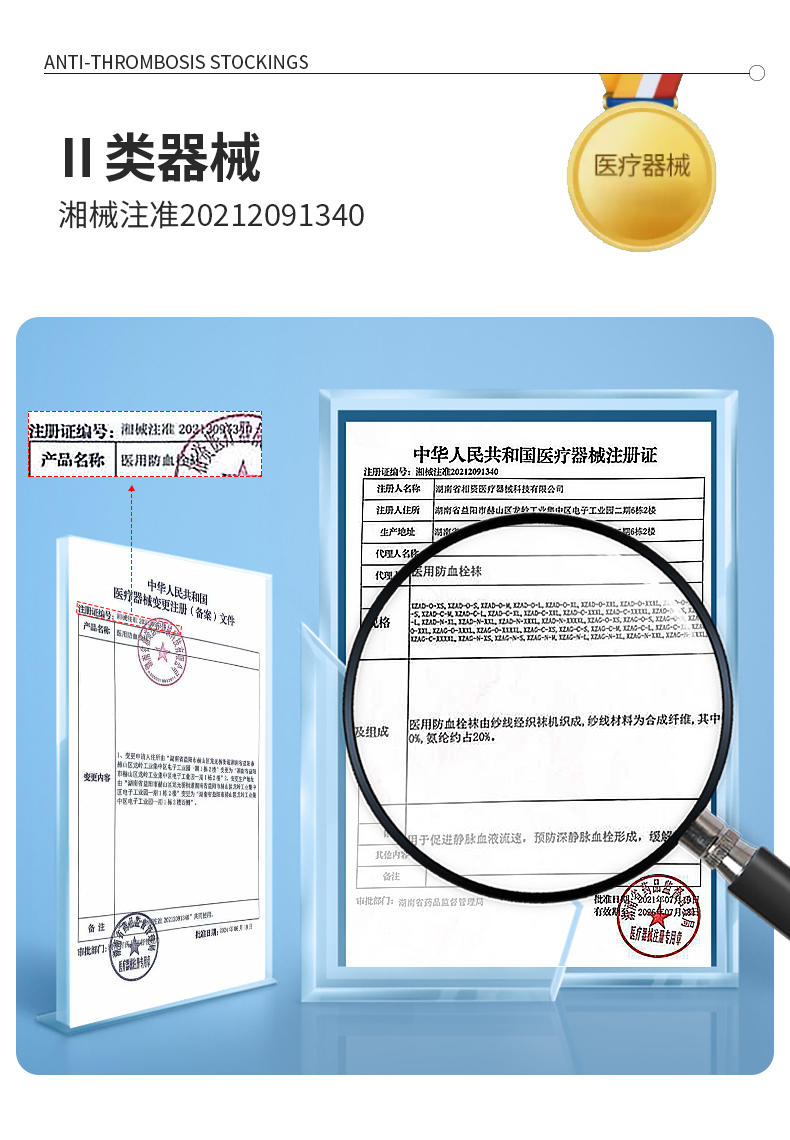
Medical anti-thrombotic stockings are a simple, cost-effective, and efficient investment in health.
Health often lies in the very details we tend to overlook. Taking care of your body starts with nurturing your legs.
Have you ever experienced leg swelling? Feel free to share your experience in the comments!
Key words:
Wound tension reduction | basic dressing | slow injury care | medical and aesthetic care | bandaging and fixation
Previous Page
Related recommend

Sweep, pay attention to us
Quick Navigation
Product Series
Contact Us
Address: Building 2, 66 Shengde Road, Tongzhou Bay River-Sea Linkage Development Demonstration Zone, Jiangsu Province


