
Hydrocolloid dressing
Hydrocolloid dressing
6,204 days of unwavering dedication—crafted solely to elevate Chinese dressings to the pinnacle of global excellence.
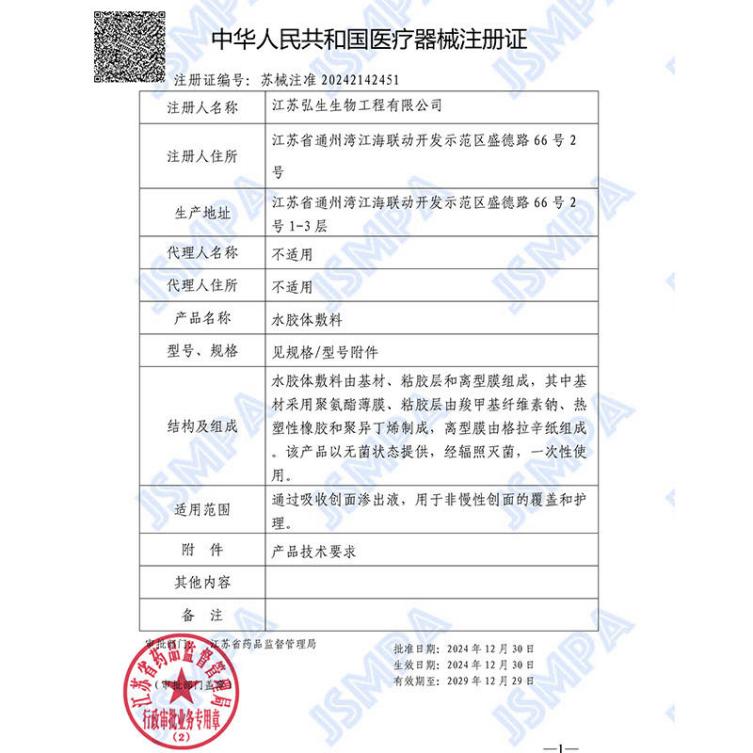
Class II Device | Hydrocolloid Dressing: protects the wound, absorbs exudate, promotes healing, alleviates pain, and is sterilized by radiation with patented technology.
“It can automatically debride wounds, promote granulation tissue growth, provide waterproof and antibacterial protection, and relieve pain—yet removal is virtually painless. Although it is not a medication, it can elevate wound-healing outcomes to a whole new level. It is none other than a major innovation in modern wound care: hydrocolloid dressings.”
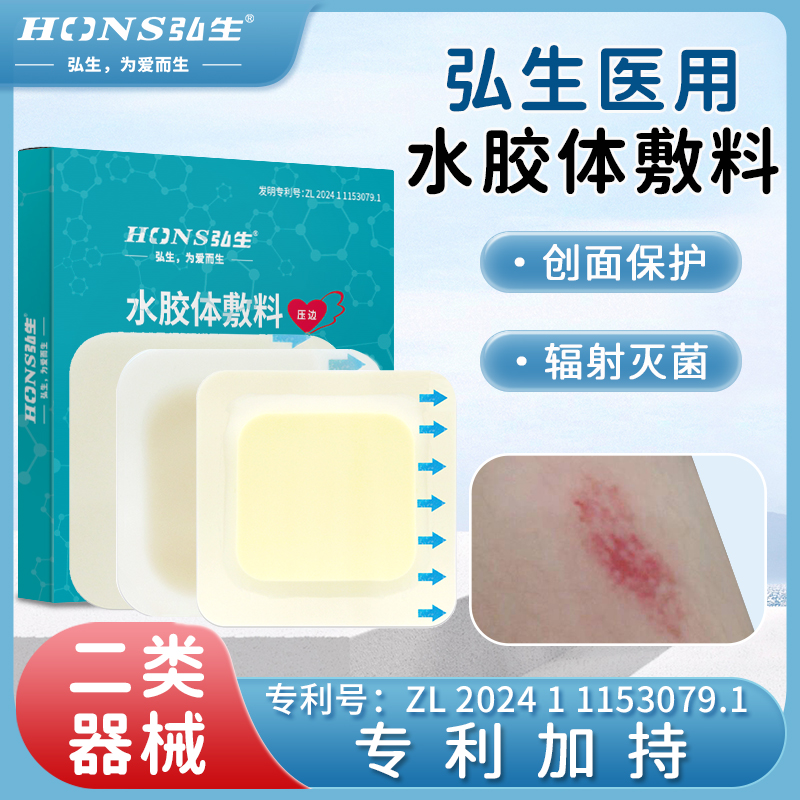

What is a hydrocolloid dressing?
Hydrocolloid dressings are a novel type of wound dressing widely used in clinical practice, providing a moist healing environment that promotes wound healing. It primarily consists of a polyurethane backing layer, a hydrocolloid dressing layer, and a release liner.
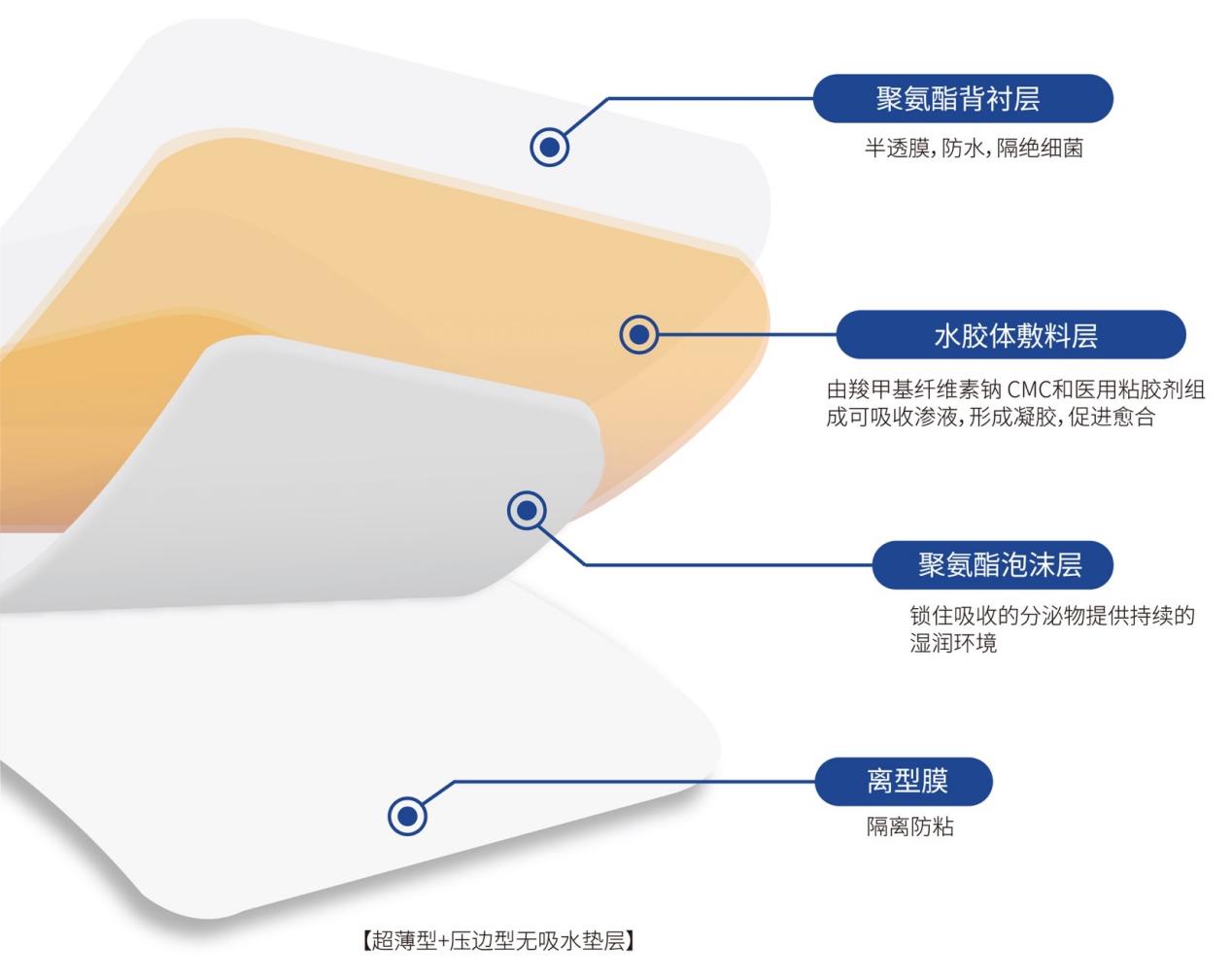
Upon contact with wound exudate, this dressing absorbs the fluid and forms a gel, thereby preventing adhesion between the dressing and the wound surface. At the same time, its thin film structure allows for the exchange of oxygen and water vapor while effectively blocking the entry of external bacteria.
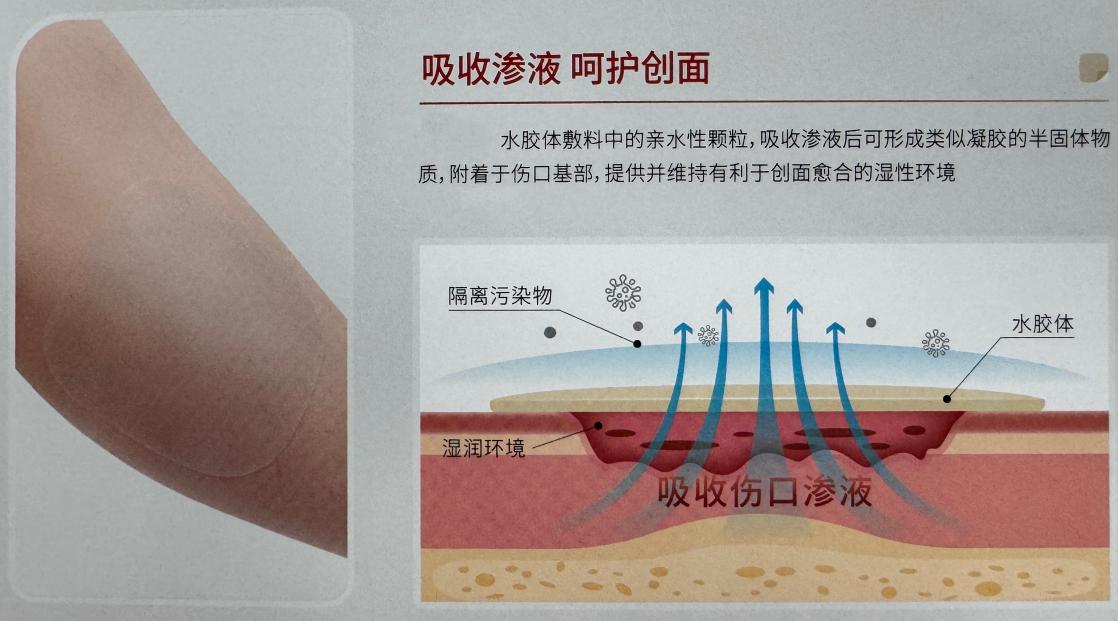
Why are hydrocolloid dressings so remarkable? (Mechanism of action and characteristics)
Hydrocolloid dressings represent a modern advancement in wound care. Unlike traditional wound dressings, which play a passive role in the healing process, modern dressings can actively promote wound healing thanks to their unique properties. Some of the advantages of hydrocolloid dressings include:
Maintain a moist wound environment: After contact with wound exudate, hydrocolloid dressings form a gel-like substance (note that this is not pus—it’s a normal phenomenon). This gel helps maintain wound moisture and absorbs exudate vertically, without macerating the surrounding skin. Because a moist wound environment is critical for wound healing, hydrocolloid dressings can improve healing outcomes.
Reducing the risk of infection: The gel-like substance formed by hydrocolloid dressings can trap bacteria and other contaminants. In addition, certain hydrocolloid dressings can lower the pH of the wound, making them an ideal choice for reducing the risk of wound infection.
Convenient wound monitoring: Hydrocolloid dressings have a semi-transparent appearance, enabling healthcare professionals and wound care specialists to better assess and monitor the wound. Wound exudate and its characteristics can also be observed beneath the dressing.
Promote autolytic debridement: Autolytic debridement utilizes the body’s own enzymatic system to remove non-viable, necrotic tissue. By allowing wound exudate to accumulate at the wound site, hydrocolloid dressings form a gel that softens the necrotic tissue, enabling the body to naturally cleanse the wound surface.
Suitable for awkward anatomical locations: Hydrocolloid dressings are available in a wide range of shapes and sizes. In addition, their excellent conformability makes them well suited for use on challenging anatomical sites, and appropriate trimming can further expand their applicability.
Skin protection: Hydrocolloid dressings protect the skin from friction and external trauma. They are easy to remove, do not adhere to the wound surface, thereby avoiding secondary injury and reducing scar formation.
Relieve pain: Due to its excellent sealing properties, covering the wound can significantly alleviate pain.
Improving Quality of Life: Hydrocolloid dressings are waterproof and bacteriostatic, allowing patients to shower without compromising the wound (though bathing is not recommended); moreover, their distinctive color ensures that even when applied to exposed areas, they remain inconspicuous, thereby reducing patient embarrassment.
Low cost: It exhibits a remarkable price-performance ratio.
Indications for hydrocolloid dressings:
1. Superficial wounds:
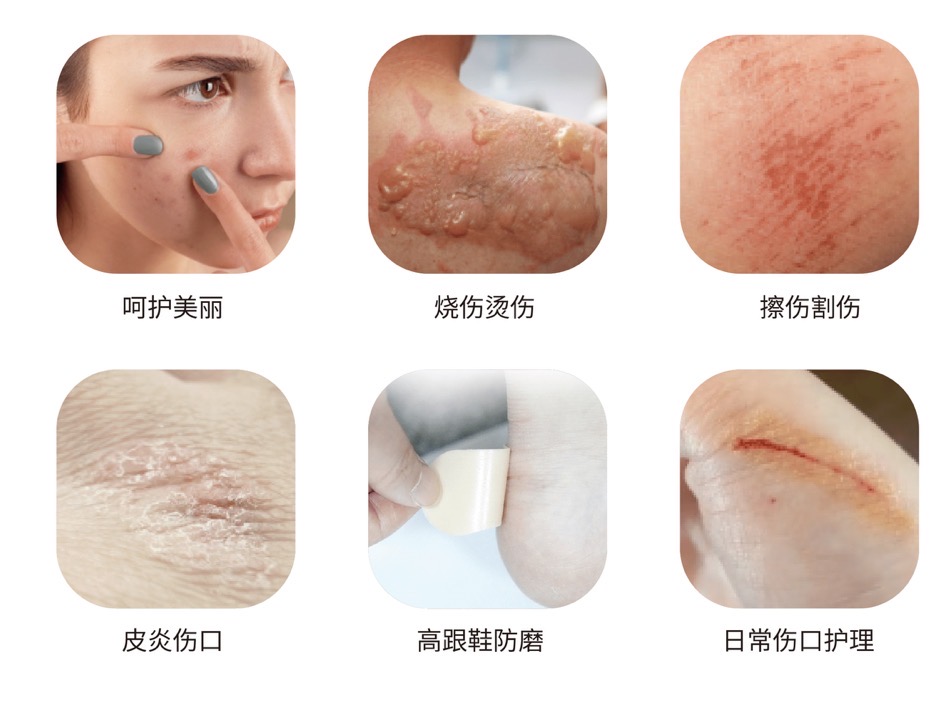
It is suitable for superficial wounds such as abrasions, lacerations, and avulsion injuries when exudate is minimal. For example, minor skin abrasions and cuts in daily life can benefit from hydrocolloid dressings, which create a moist healing environment, promote wound closure, and reduce scar formation.
2. Chronic Wounds:
The early stages of pressure ulcers (decubitus ulcers), particularly stage I pressure ulcers, can be managed to prevent further deterioration.
- For mild diabetic foot ulcers, it helps maintain a moist wound environment and promotes healing.
- Chronic, hard-to-heal wounds such as lower-extremity venous ulcers are suitable for cases with moderate or minimal exudate.
3. Surgical wound:
Postoperative incisions, particularly those with minimal exudate, can be protected to reduce the risk of infection and promote healing.
4. Prophylactic Use:
For patients who are confined to bed for extended periods or have limited mobility, pressure-relieving devices may be used on vulnerable pressure points such as the sacrococcygeal region and heels to prevent pressure ulcers.
5. Other circumstances:
Prevention and treatment of phlebitis can alleviate local inflammatory responses.
- For certain post-procedure wounds in medical aesthetics—such as skin breakdown following laser mole removal or acne treatment—this helps reduce the risk of scarring.
Contraindications for hydrocolloid dressings:
1. Infectious wound:
Wounds that are already infected—particularly those with anaerobic bacterial infections, tuberculosis, syphilis, or fungal infections—should not be managed with hydrocolloid dressings alone; they require adjunctive therapies, such as systemic antibiotic treatment.
2. Wounds with excessive exudate:
For wounds with severe exudation or active bleeding, hydrocolloid dressings have limited absorptive capacity, which may lead to dressing saturation and an increased risk of infection; therefore, their use should be considered only after bleeding has ceased and exudation has decreased.
3. Special Wounds:
Full-thickness, third-degree burns; deep sinus tracts; wounds with localized tissue ischemia that may undergo necrosis; and diabetic foot ulcers, among others, are not suitable for hydrocolloid dressings.
4. Drying the wound:
For very dry wounds, hydrocolloid dressings may draw too much moisture from the wound bed due to their high absorbency, which can impede healing; therefore, they should be used in combination with moisturizing products such as hydrogels.
5. Fragile skin or special populations:
Individuals with fragile skin, such as the elderly and infants, should use this product with caution to avoid skin damage caused by the adhesive properties of the dressing.
Precautions: Before use, the wound condition must be assessed by a qualified healthcare professional, and the instructions of the physician must be followed. If any abnormalities occur, such as redness and swelling, worsening pain, or changes in the nature of the exudate, discontinue use immediately and seek medical attention.
Applicable Department:
1. Wound/Stoma Clinic (Core Battlefield):
·Stage I–II pressure ulcers (bedsores): the first-line option for prevention and treatment. Designed for bony prominences, it helps relieve pressure, reduce friction, manage small amounts of exudate, and protect damaged skin.
· Superficial abrasions and lacerations: Provide an ideal healing environment for clean surgical incisions or accidental abrasions.
· Skin donor site: Application of hydrocolloid dressings to the wound surface after skin harvesting can alleviate severe pain and significantly promote healing.
· Mild burns and scalds: Indicated for superficial second-degree burns and scalds, it provides potent analgesia and accelerates epithelialization.
2. Oncology/Radiation Oncology:
· Radiation dermatitis: For grade I–II radiation-induced skin reactions (redness, dryness, desquamation, and moist desquamation), hydrocolloid dressings can form a protective barrier, alleviate pain, and promote the repair of damaged epithelium, making them a valuable adjunct for patients undergoing radiotherapy.
3. Endocrinology/Vascular Surgery:
· Diabetic foot ulcers (certain types): For black eschar or yellow slough with minimal exudate, no infection, and no ischemia, hydrocolloid dressings can be used for autolytic debridement to soften the eschar and create favorable conditions for subsequent treatment.
4. General Ward:
· Mechanical phlebitis: As mentioned earlier, applying a compress along the inflamed vein can help reduce inflammation, relieve pain, and promote tissue repair.
· Skin lacerations: For common skin lacerations in older adults, it can gently stabilize the skin flap and promote healing.
Important Notes:
1. Hydrocolloid dressings should be changed every 3–7 days, as prolonged use may lead to maceration of the periwound skin. During application, closely monitor wound exudate and adjust the dressing-change frequency accordingly.
2. Hydrocolloid dressings should not be applied over sinus tracts or tunnels.
3. Not all hydrocolloid dressings are suitable for infected wounds; therefore, the product label should be carefully reviewed before use.
4. Colloidal dressings may be associated with an unpleasant odor, which is particularly noticeable during dressing changes. In the absence of clinical signs of infection, this is generally considered normal and may be attributable to the dressing’s distinctive odor.
5. Due to the strong adhesiveness of hydrocolloid dressings, they should be used with caution on fragile skin, such as that of elderly individuals and infants.
6. Individuals allergic to hydrocolloids should use them under the guidance of a healthcare professional.
7. Remove with caution to prevent damage to the surrounding skin due to its adhesive properties.
Storage and Preservation:
- Store in a cool, dry place, away from direct sunlight, at a temperature between 15°C and 25°C.
- Please check the expiration date; expired products may affect efficacy.
Instructions for use:
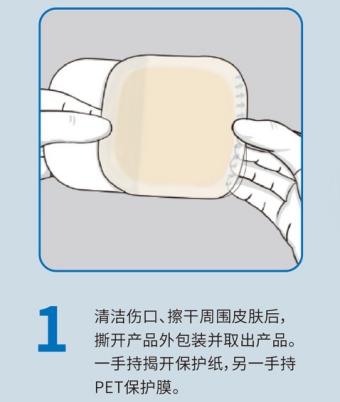
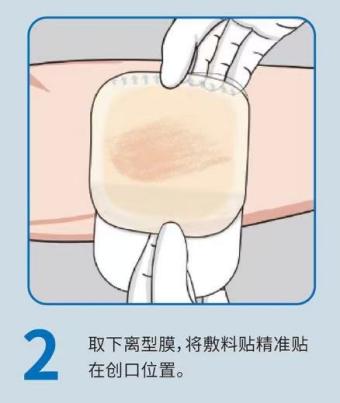
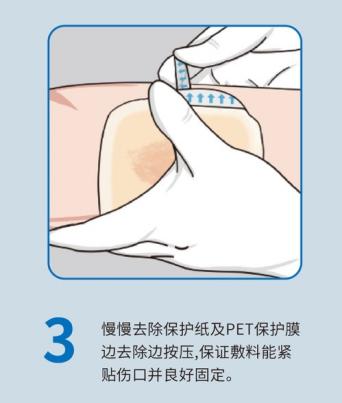
Product images, type, and model specifications:
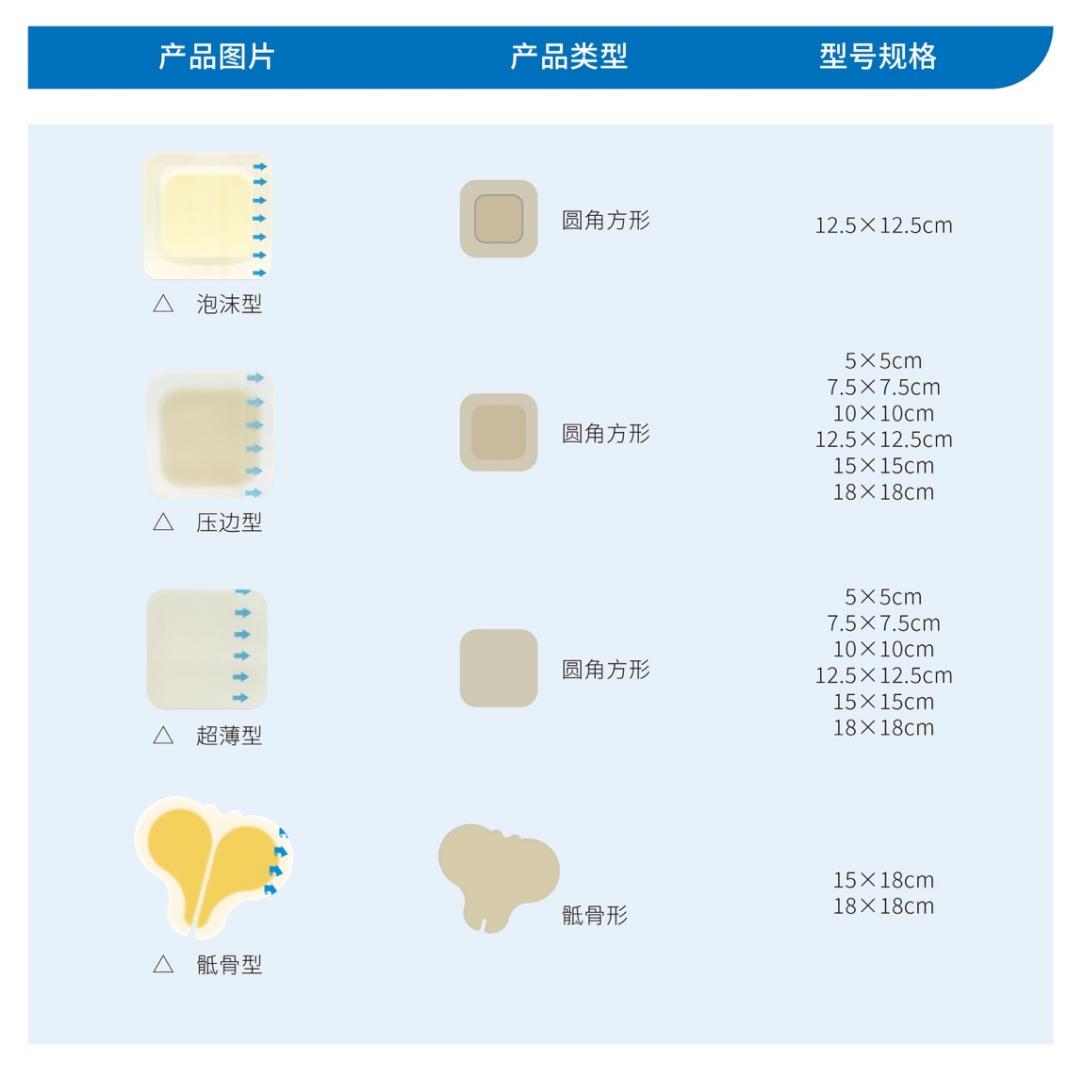
Typical case:
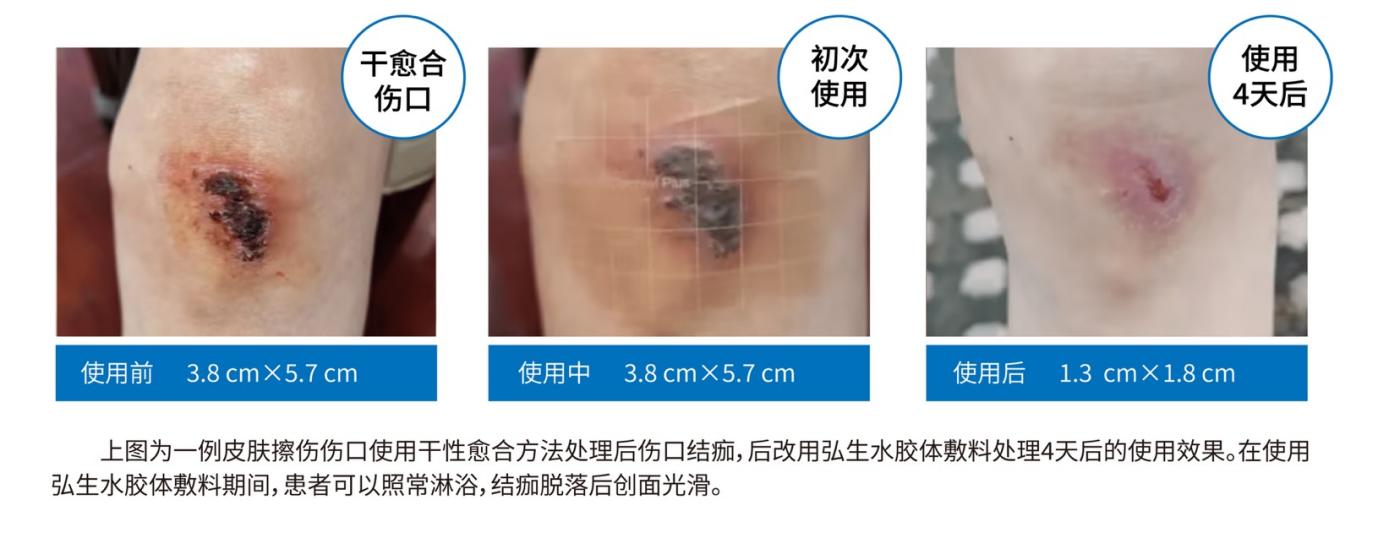
Made by Hongsheng—safe to use.

Key words:
Wound tension reduction | basic dressing | slow injury care | medical and aesthetic care | bandaging and fixation
Previous Page
Next Page
Previous Page
Next Page
Related recommend

Sweep, pay attention to us
Quick Navigation
Product Series
Contact Us
Address: Building 2, 66 Shengde Road, Tongzhou Bay River-Sea Linkage Development Demonstration Zone, Jiangsu Province


